


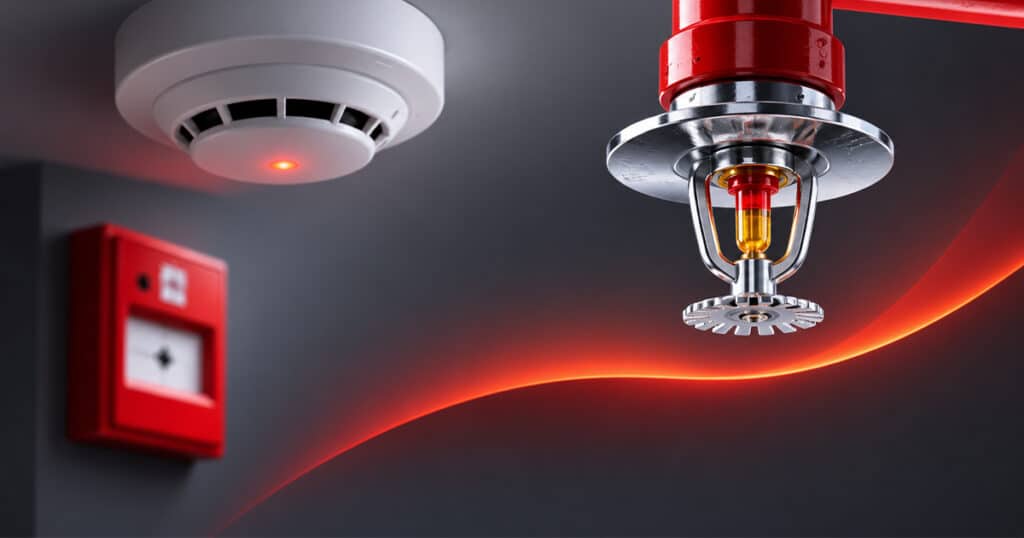
Fire Risks Facing South African Businesses
Are your fire protection systems really keeping your business safe?
Fire risks facing South African businesses are becoming increasingly complex. From ageing electrical infrastructure and overloaded circuits to solar installations and lithium ion battery storage, commercial buildings face fire hazards that can threaten employees, property, stock and business operations.
Unfortunately, many of these risks remain unnoticed until an emergency occurs.
For business owners, warehouse operators and facility managers, understanding potential fire hazards is essential. Effective fire protection requires more than installing fire extinguishers and smoke detectors. It involves identifying potential hazards, implementing suitable fire detection and suppression systems, and ensuring that existing infrastructure is properly maintained.
Here are the hidden fire risks that every South African business should consider.
Electrical Faults and Ageing Infrastructure
Electrical faults are an important consideration when assessing commercial fire risks. Ageing wiring, overloaded circuits and damaged electrical equipment can all contribute to overheating and potential ignition.
In addition, businesses operating continuously often place considerable demands on their electrical infrastructure. New machinery, additional equipment and temporary electrical installations can increase the risk of electrical failures.
Common electrical fire hazards include:
- Overloaded electrical distribution boards.
- Damaged or deteriorating electrical cables.
- Poorly maintained electrical equipment.
- Inadequate ventilation around electrical installations.
- Unauthorised electrical modifications.
- Overheating equipment and loose electrical connections.
Regular electrical inspections and preventative maintenance can help identify these problems before they develop into serious incidents.
Solar Installations and Lithium Ion Battery Fires
The growing adoption of solar energy and battery storage has introduced additional fire risks for South African businesses.
Commercial solar installations often incorporate inverters, electrical distribution equipment and battery storage systems. Although these technologies offer operational and energy benefits, they also introduce potential fire hazards that must be considered.
Lithium ion batteries present particular challenges because internal battery failures can trigger a process known as thermal runaway. This can result in rapidly increasing temperatures, hazardous gas release and potentially intense fires.
Businesses with solar installations and battery storage should consider:
- The location and construction of battery storage areas.
- Adequate ventilation and suitable equipment separation.
- Early detection of smoke, heat and abnormal operating conditions.
- Appropriate emergency isolation procedures.
- Whether existing fire protection measures address the additional risks.
As energy infrastructure evolves, businesses must ensure their fire protection strategies evolve with it.
Warehouse Storage and Combustible Materials
Warehouses and distribution centres face unique fire protection challenges.
High density storage, elevated racking systems, packaging materials, plastics and combustible stock can contribute to rapid fire development. Furthermore, the height and arrangement of stored goods can influence how quickly a fire spreads.
Additional hazards can arise from forklift charging stations, electrical equipment, loading bays and the storage of potentially hazardous materials.
One important consideration is whether the existing fire protection infrastructure was designed for the building’s current use.
For example, a warehouse that has increased its storage capacity, introduced new materials or changed its operational layout may have a different fire risk profile from when its original protection systems were installed.
Effective warehouse fire protection should consider:
- The types of materials being stored.
- Storage heights and racking configurations.
- Automatic sprinkler coverage.
- Fire detection throughout the facility.
- Fire water availability and supply infrastructure.
- Suitable suppression measures for identified hazards.
An effective warehouse fire protection strategy must reflect the actual operating environment, rather than relying solely on the original building design.
Outdated or Inadequate Fire Detection Systems
Early fire detection is essential for limiting damage and protecting occupants.
However, some businesses continue to rely on ageing fire detection systems that may no longer provide adequate coverage for their current operations.
Changes to building layouts, renovations, additional equipment and expanding operational areas can create detection gaps. Consequently, a system that once provided adequate protection may no longer meet the building’s present requirements.
Modern fire detection systems can incorporate different technologies to identify potential fire conditions, including:
- Smoke detection.
- Heat detection.
- Multi sensor fire detectors.
- Wireless fire detection solutions.
- Addressable fire alarm systems.
- Integrated monitoring and alarm technologies.
Wireless fire detection solutions, such as the Hyfire Taurus system, can also provide options for buildings where conventional cabling may be difficult or disruptive.
The most appropriate fire detection solution depends on the building, its occupancy, environmental conditions and identified fire risks.
Fire Suppression Systems That No Longer Match the Risk
Installing a fire suppression system is an important part of protecting commercial and industrial infrastructure. However, the presence of a suppression system does not automatically mean that a building is adequately protected.
Businesses change over time. Warehouses expand, equipment is replaced, storage configurations evolve and new materials are introduced.
As a result, existing fire suppression infrastructure may no longer provide suitable protection.
For example, a warehouse that introduces higher storage racks or different combustible materials may require its fire protection strategy to be reassessed.
Businesses should regularly review:
- Whether suppression systems provide adequate coverage.
- Whether sprinkler arrangements remain appropriate.
- Whether fire pumps and water supplies are operational.
- Whether specialist suppression is required for particular equipment.
- Whether building layout changes have affected protection coverage.
Fire suppression systems should always be designed and maintained according to the specific risks and requirements of the facility.
Poorly Maintained Fire Protection Infrastructure
Even professionally installed fire protection systems can become ineffective if they are neglected.
Routine maintenance and testing are essential to ensure that equipment remains operational and potential defects are identified.
Fire protection infrastructure can include detection panels, smoke detectors, sprinkler systems, fire pumps, hydrants, suppression equipment and associated monitoring systems.
Therefore, businesses should establish appropriate maintenance programmes and keep accurate inspection records.
Particular attention should be given to:
- Fire detection and alarm system testing.
- Sprinkler and suppression system inspections.
- Fire pump performance.
- Fire water storage and supply arrangements.
- Fault reporting and system monitoring.
- Emergency procedures and evacuation readiness.
A properly maintained fire protection system provides greater confidence that essential equipment will function when it is needed most.
The Importance of Professional Fire Risk Assessments
One of the most effective ways to identify hidden fire risks facing South African businesses is through a professional assessment of existing fire protection infrastructure.
A fire risk assessment helps businesses understand where potential weaknesses exist and whether their current systems remain suitable for their operational requirements.
This is particularly important for facilities that have undergone renovations, expanded their operations, introduced new equipment or changed how materials are stored.
A comprehensive assessment should consider:
- Building occupancy and operational activities.
- Potential fire hazards and ignition sources.
- Existing fire detection and suppression systems.
- Fire water availability and infrastructure.
- Emergency procedures and evacuation arrangements.
- Maintenance programmes and system conditions.
Identifying weaknesses early allows businesses to make informed decisions about necessary upgrades and improvements.
Rather than waiting for an incident to expose a problem, proactive fire protection planning helps businesses address potential vulnerabilities before they become serious threats.
Protecting Your Business Starts with Understanding the Risks
Fire risks facing South African businesses should never be underestimated. From commercial offices and retail facilities to warehouses and industrial buildings, changing infrastructure and operational demands require ongoing attention to fire protection.
Effective fire protection involves a combination of suitable detection systems, reliable suppression solutions, properly maintained infrastructure and professional risk assessments.
At Ushaka Security & Fire Projects, we understand the importance of developing fire protection solutions that address the specific requirements of each facility.
Our solutions include fire detection systems, fire protection infrastructure and integrated security and building technologies designed to support safer, more resilient business environments.
Is your business adequately protected?
Contact Ushaka Security & Fire Projects to discuss your fire protection requirements and arrange an assessment of your existing infrastructure.
Identifying potential weaknesses today could help protect your employees, property and business operations tomorrow.